






About the Client
The Vital Statistics Unit (VSU) operates under the Attorney General’s Ministry of Belize and is the national authority responsible for civil registration and vital statistics. Its core mandate includes the registration, maintenance, and issuance of records for five key life events: births, deaths, marriages, adoptions, and deed polls.
VSU plays a critical role in establishing legal identity, enabling access to public services, and supporting national planning and policy-making through accurate population data. The Unit works closely with other government institutions to ensure the integrity, availability, and legal validity of civil registration records nationwide. The civil registration modernization initiative was funded by the Inter-American Development Bank (IDB) and administered by the Ministry of Finance, Economic Development, and Investment, which coordinated project governance and contracting, while VSU acted as the primary beneficiary and implementing institution.

Challenge
Belize’s civil registration system relied heavily on paper-based processes and an outdated legacy database. This resulted in slow service delivery, limited interoperability, and significant data quality issues. Citizens faced long wait times for certificates, while government institutions struggled to access reliable, up-to-date records.
Despite efforts to expand access through district offices and outreach clinics, the absence of a centralized digital system meant that records still had to be processed manually and transported physically, perpetuating inefficiencies.
Key challenges included:
- Lack of System Interoperability: Government agencies such as the Social Security Board, Immigration Department, and others could not easily verify or update vital records, leading to inefficiencies in service delivery.
- Paper-Based Processes: Manual data entry and storage created inefficiencies, increasing the risk of lost or inaccurate records.
- Limited Accessibility: Citizens had to travel to central offices for registrations and certifications, creating barriers for those in remote areas.
- Data Quality Concerns: Inconsistencies and errors in civil registration data led to challenges in identity verification and service eligibility.
- Processing Delays: Lengthy turnaround times for certificate issuance reduced confidence in the civil registration system.
Solution and Benefits
To address these challenges, the Government of Belize initiated the development and implementation of a modern digital Civil Registration and Vital Statistics (CRVS) system.
To deliver this transformation, Belize selected NRD Companies as its technology and implementation partner, leveraging NRD Companies’ experience in national registries, process re-engineering, and secure government platforms to modernize civil registration services end to end.
The implemented CRVS solution enables full digital registration and management of births, deaths, marriages, adoptions, and deed polls and is designed to support future online service expansion. Once made publicly available on the web, the system allows citizens to securely submit applications and request certificates remotely.
The implementation also included the migration and digitalization of over 650,000 civil registration records, creating a centralized and reliable national database that serves as a single source of truth for vital events.
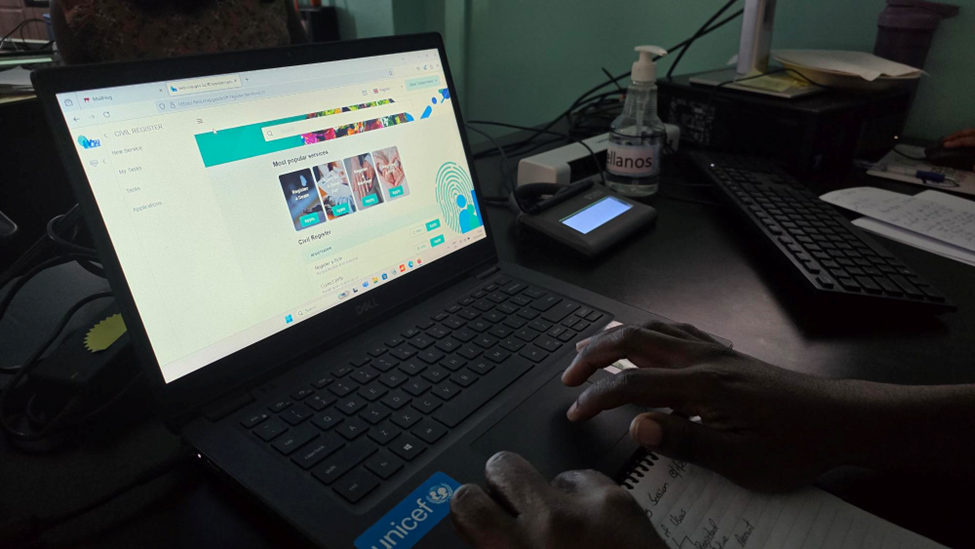
The project introduced a comprehensive digital strategy centered around:
- Development of a Modern Civil Registration System: A fully digital, web-based platform designed to streamline registration, improve service delivery, and ensure data integrity.
- Digitalization of Records: Converting paper-based records into a centralized digital database for better accuracy and accessibility.
- System-to-System Integration: Enabling real-time data sharing between key institutions, including:
- Social Security Board: Validating Social Security Numbers to prevent duplication.
- Immigration Department: Verifying passports to confirm citizenship.
- Ministry of Health: Electronically transmitting birth and death records for timely registration.
- Process Automation: Reducing manual interventions, minimizing errors, and expediting service delivery.
- Digital Services: Citizens can securely request and access civil registration records via the new platform.
- Enhanced Security and Governance: Implementing cybersecurity measures and standardized workflows to protect sensitive data.
Measured performance improvements:
- Speed of Registration: The average time between an event (birth/death) and its registration was reduced from 30 days to just 2 days, significantly improving service responsiveness.
- Operational Efficiency: Identity verification time was reduced from 15 minutes to 1 minute, accelerating processing and improving user experience.
- Data Quality: Data completeness increased from 50% to 90%, ensuring more reliable population data for planning and service delivery.
- Throughput: The Vital Statistics Unit increased its processing capacity from 50 to 80 applications per day, enabling higher service volumes without additional administrative burden.
- Cost Efficiency: The average cost per registration for citizens was reduced by approximately 50%, lowering financial barriers to accessing services.
NRD Companies’ Products Implemented and Services Provided
The Civil Registration and Vital Statistics (CRVS) system developed for Belize was built using the Unified Registers Platform (URP©) – NRD Companies’ proprietary low-code platform tailored for the development of secure, flexible, and scalable registry systems across jurisdictions. URP© is used for a wide range of applications, including civil registration, business registration, licensing, beneficial ownership, and secured transactions.
By leveraging URP©, the Belize CRVS system was designed to register births, deaths, marriages, adoptions, and deed polls, while enabling seamless integration with other government databases. This allowed for real-time data exchange and greater interoperability across institutions. The system supports secure identity verification, reduces manual workload, improves record accuracy, and enhances accessibility for both citizens and public institutions.
As a low-code platform, URP© empowers government institutions to maintain control over their registration processes and scale solutions according to evolving needs. It simplifies maintenance, supports rapid configuration changes, and enables local IT teams to make system updates without extensive programming knowledge.
Capacity Building Services
As part of the implementation, NRD Companies delivered a series of advanced training sessions and created strategies to strengthen the capabilities of the client’s personnel:
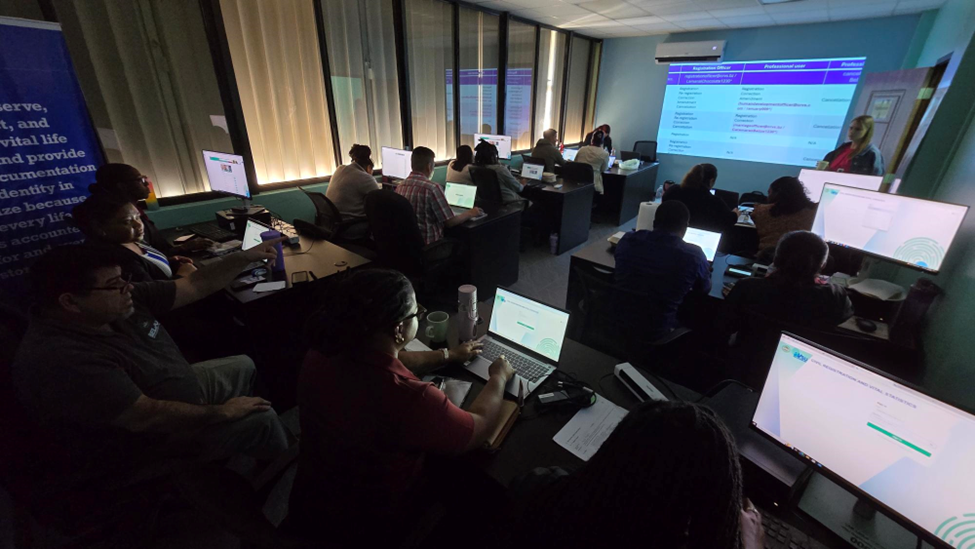
- End-User Training: Ensuring smooth system adoption by registry staff.
- Registrar Training: Enhancing competency in managing digital records.
- Technical Team Training: Equipping in-house IT personnel with platform management skills.
- Business Continuity Planning: Establishing protocols for maintaining operations during disruptions.
- Process Re-Engineering: Streamlining workflows to maximize system efficiency.
- Data Migration Strategy: Ensuring seamless transition of legacy records to the new system.
Expected Results
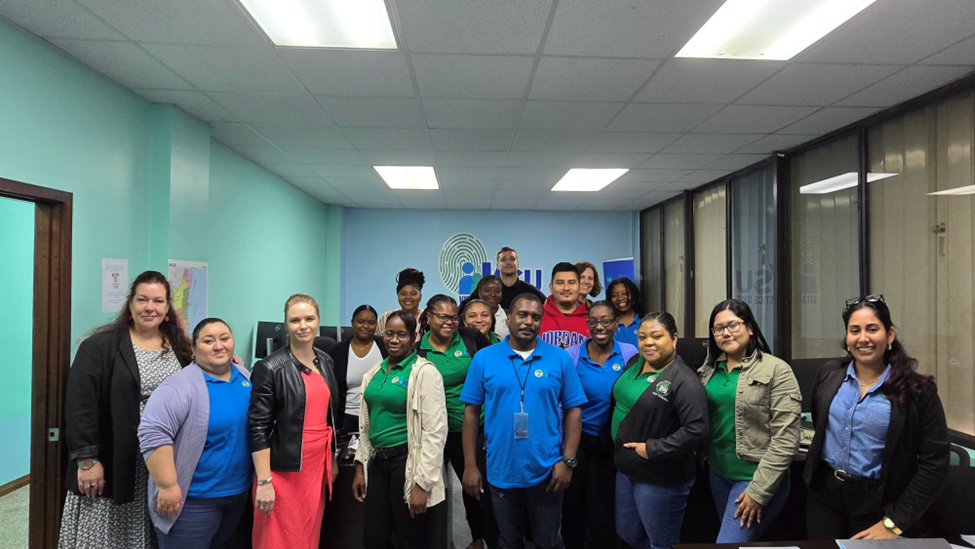
The civil registration system modernization has delivered:
- Faster, More Efficient Services: Digitization and automation significantly reduce the time needed to register events and issue certificates. Citizens no longer wait weeks, as digital applications and workflows accelerate processing.
- Increased Accessibility: Citizens can register births, deaths, marriages, adoptions, and deed polls, and request certificates remotely – particularly benefiting those in rural areas.
- Improved Security: Digital records with validation and encryption minimize risks of document fraud and protect personal data from unauthorized access.
- Seamless Integration: Real-time data sharing with institutions like the Social Security Board, Immigration Department, and Ministry of Health ensures more efficient service delivery and reduces duplication.
- Strengthened Public Trust: Faster services, fewer errors, and secure records improve public confidence in the reliability of civil registration.
International Standards Compliance: The system aligns with global best practices in identity management, data protection, and digital governance, enabling Belize to participate in international verification frameworks.
These improvements are reflected in measurable performance indicators, demonstrating a clear shift from manual, paper-based operations to a fast, efficient, and data-driven civil registration system.
Quote from the Client


Replicability
The CRVS© platform developed for Belize is well-suited for adaptation in other countries facing similar challenges. It effectively addresses common civil registration issues and provides a scalable, secure, and inclusive solution.
Key Benefits and Applicability:
- Marriage Registration: A user-friendly interface allows marriage officers to efficiently record marriages without administrative delays, improving service accuracy and responsiveness.
- Paper Records and Lost Certificates: Many jurisdictions still rely on paper-based systems vulnerable to loss and damage. This digital solution, with secure backups and decentralized storage, creates a tamper-proof, disaster-resilient record of vital events.
- Forgeries and Certificate Validation: Document fraud is common in paper-based systems. Built-in validation features – such as digital signatures and encrypted QR codes – ensure certificate authenticity and reduce the risk of forgery.
- Refugees and Undocumented Populations: The system enables the registration of individuals without formal identification, supporting inclusive access to essential services.
- Parents Without IDs: Alternative proof mechanisms, including community witness statements, ensure that children can be registered even when parents lack formal ID.
- Children Under State Custody: The system ensures consistent, accessible records for children in foster care or under government protection, supporting their legal and social well-being.
SDGs Addressed
The civil registration system modernization directly contributes to several United Nations Sustainable Development Goals (SDGs):
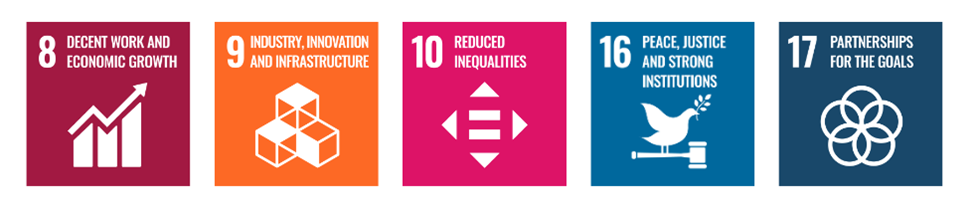
SDG 8: Decent Work and Economic Growth
Reduces administrative burdens and enhances citizen access to employment and financial services.
SDG 9: Industry, Innovation, and Infrastructure
Establishes a resilient digital framework for civil registration and governance.
SDG 10: Reduced Inequalities
Ensures equal access to civil registration services, reducing disparities in legal identity and public service accessibility.
SDG 16: Peace, Justice, and Strong Institutions
Ensures legal identity for all, reducing barriers to justice and essential services.
SDG 17: Partnerships for the Goals
Strengthens intergovernmental cooperation on identity management and vital statistics reporting.